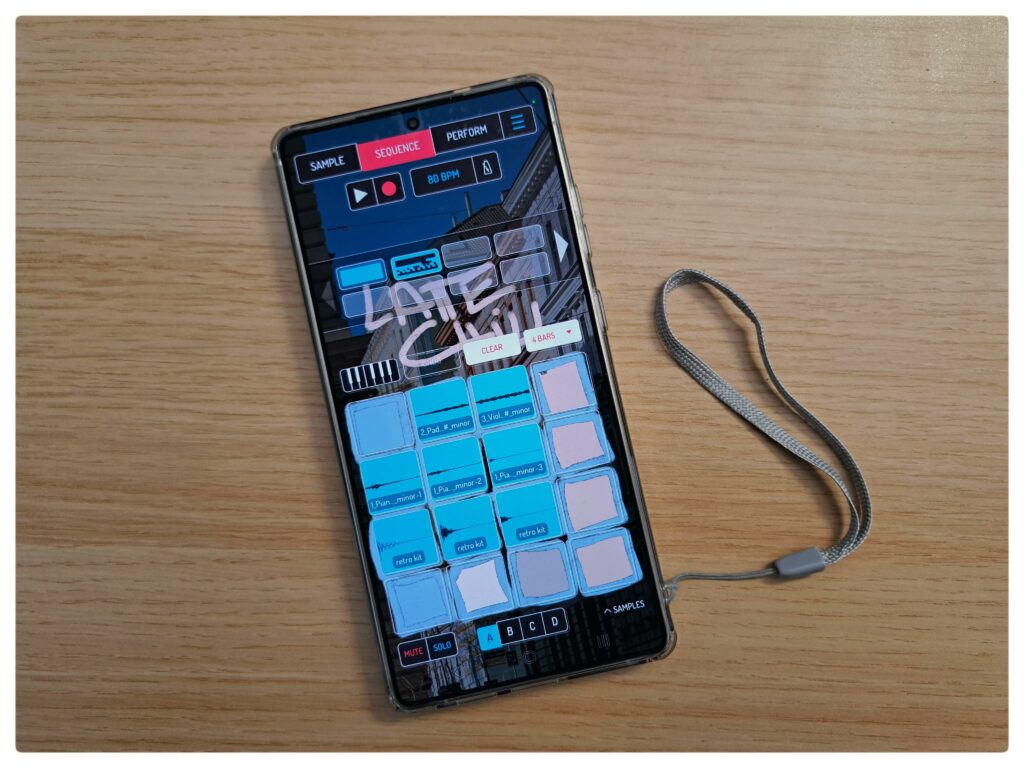
Is Koala Sampler a viable alternative to the Roland SP-404 or any other sampler? After five years of using it as the brain of my DAWless setup, here is why this mobile app is a lofi producer’s dream for on-the-go beatmaking
Is Koala Sampler a DAW? Understanding the Mobile DAWless Workflow
Is it a sampler? Is it a DAW? How DAWless we are with a DAW? Some of the questions I face along my days and weeks as an artist, like reading different Reddits, Quoras and FB comments. Bad news, I am not to challenge all the opinions here, more writing my take: technically, Koala Sampler is a mobile sampler and sequencer, but I treat it as pocket hardware. It offers the freedom of a DAW – composing in a bathtub or on a park bench – without the distractions of a laptop. Because it works entirely offline, it functions as a standalone instrument in a DAWless ecosystem.
Best DAWless Pairings: Koala Sampler & Teenage Engineering PO-33 KO
My favourite ultra-portable setup pairs Koala with the Teenage Engineering Pocket Operator 33 KO (aka PO-33 KO). I use the PO-33 for its gritty lo-fi textures and punch-in FX to layer over my Koala sequences. You can also swap this for a Stylophone or PO-128, depending on whether you need lead synths or bass layers. (See my full PO-33 setup guide for connection tips).
Koala Sampler vs. Roland SP-404: Why I Choose the App
Long story short: money and time. The SP-404 is quite costly, and while I am a long-time fan of its lofi sound, you need deep pockets to acquire one. Additionally, hardware often requires a tremendous amount of time to master. Koala Sampler imitates that classic workflow but simplifies it. You earn “quick wins” easily, yet you can go deeper over the years with resampling, effect buses, and live recording.
How to Mix and Master in Koala Sampler: My Finishing Process
Alas, here comes one of my challenges and weaknesses, even from 5 years ago. Why? I would more like to recap the question like this: Can you master a song in Koala Sampler?
And my answer is the following: Yes. With the built-in 4-bus effects and master channel, you can achieve a polished, competitive sound. However, my professional workflow usually involves two steps:
Initial Mix: Panning and basic FX within the app.
Final Polish: I export the project (stems and MIDI) into Ableton Live for surgical EQ, side-chaining, and final stereo widening.”
I still prefer finishing tracks on a laptop to ensure a silent environment for tweaking EQs across genres like rock, metal, and lofi. While Koala supports most of my needs, I view it as a powerful pocket sampler that takes music production out into the world. It is a companion for adventures, helping me produce more lively beats while I save the “homework” of fine-tuning for the studio.
So, I do basic mixing and panning, base effects on my beats to make them sound good. Export the beat itself (usually named the project, including the chords and the tempo) and, in certain cases, I also export the different samples as a pack to enhance my mastering later in Ableton Live.
This is it for now. I hope you enjoyed my short snippet. Disagreeing? I would like to hear your opinion on any of my channels.
After 5 years of daily and weekly DAWless music production, I’ve realized that the best studio isn’t a room – it’s a workflow that fits in a 10L bag.
Year 2021: I purchased my first set of Pocket Operators: the PO-33 KO and PO-128, the Koala Sampler app (I will feature in another article) and set off my journey of dawless music production. Why? Simply, I got bored with producing music in front of my laptop.
Why Go DAWless for Lofi: Escaping Screen Fatigue
As said and explained on this blog already, I love music production. I love the way of finding my tone, the melodies, meddling with chords and adding that crackle, making lofi lofi. On the other hand, especially when it snows or spring arrives with all the blooms, I feel like I’m missing them. And after a while, I started to miss inspiration as well. As tech journalist Becca Farsace famously noted in her journey toward a digital detox, the goal isn’t necessarily to go ‘dark,’ but to ‘take technology out’ -replacing multi-use distractions with single-use tools.
Now, I could have chosen the Taetro way hybrid setup, bringing a smaller midi key along with my laptop. Sounds convenient, right? But, I usually take my corporate laptop around due to my work (no, no Ableton is allowed on that sadly…) and bringing 2 laptops around is kind of heavy. Let alone, as a father, I often hit the city with my daughter, with my wife, who limits my time as well as I spend on beatmaking or photography. Imagine I sit down in a park with them and spend 15 mins just putting together cables and booting hefty DAWs. Impossible.
So, my aim was already on limiting myself but keeping a tactile workflow; I need something that makes music upfront. I sought simplicity and pocketability. Lastly, I wanted to start small. I love SP-404, but that is not “cheap” in any aspect – at least for me, at least for a hobby.
The Learning Curve: What Nobody Tells You About Hardware
I had my aims, but that’s it. Dawless music production – try writing that in Google or YouTube. Tons of videos, setups, and methods. Which one fits me the best? Even among cheap small tools you are to find some from Roland (ARIA series), Korg Volca series, the previously mentioned Pocket Operators or Behring (and all way long to many others not mentioned here).
So, where to start? I remember back then, I set off from the core: my genre. What are the beats I work on the most? Lofi and chillhop beats. Now, chillhop requires a bit more refinements and hifi in general (at least I try aiming for a cleaner quality there). So, lofi.
Which one is fitting me then? I was eyeing the SP-404 like 4 times 4 pads. This is how I got closer to Pocket Operators – for a relatively cheap entry price (50+ euros). OK, I successfully managed to go down to one brand, but over 9+ different models? Buying all of them would be as good as buying a bigger one – no, I needed one (well, two) first.
My number one choice became the KO due to sampling possibilities. I could pre-record drumkits (super useful feature), but could add my signature instruments (piano, wurli, etc., pre-mixed in Ableton).
And that was my second learning task – or to-do. Having a dawless gadget is not enough. In most cases, you need to fill it with life, with your genre. Otherwise, you are to produce the same vibe that 1000 others are doing.
Afterwards, just afterwards comes the next obstacle: do actual music on it. How? Again, tons of videos – that are even harder to watch now as you have your instrument finally. Or learning on the go? A way I prefer pretty much, in many aspects of my life. Still, what do I miss this way? So, yes. Sitting down again, mastering the essentials of the tool. Understanding the harmonies, the notes it produces, the FX to spice the beats and to learn how to chain patterns.
Ready to enjoy intentional creation? No!
So far, you are able to play music: not recording it, let alone mixing (and mastering) it.
Cutting it short, I was prepared for that and purchased a Tascam field recording. This enabled me to line-in record PO-33 KO and also record nature around me for later use in other beats (building textures, etc.)
Sidenote to the end: my reason for buying the PO-128 was my pure fandom toward Mega Man. And I love that synth.
Essential DAWless Gear for Lofi and Chill Beats
So, what are ultimately the gears for DAWless music production? I would say: an instrument (try seeking for one as a start), a recording tool from an audio perspective and a recording tool for video – for that one I would suggest using your smartphone with a little tripod. Following these, your whole gadget back will be no bigger than a 10l small bag with 0.5L of water on one side to hydrate. This enables you to take technology outside, with you, but still enjoy the time being outside, not collapsing under the weight of a complete bedroom studio.
Sidenote here as well: you may take a small gear with you on any trips, whereas laptops with keys/pads might be hefty. It enhances freedom several-fold.
How Do You Mix and Master Without a DAW?
While the goal of a tactile workflow is to stay away from screens, recording your performance is a critical final step. I follow a “Hybrid-Finish” approach: I create the soul of the track on hardware and use a laptop only as a final “tape machine” for minor adjustments.
To mix and master DAWless lofi beats effectively, follow these four steps:
Level at the Source: Since you are likely recording a stereo sum, ensure your drum-to-melody balance is close to perfect on the device (like the PO-33) before hitting record. If you mess it up here, it will be difficult to mend – take your time.
Use a Mobile Production Log: Capture your technical data immediately. I use Google Keep to track:
Recording Date: To sync with audio files later.
Scale/Chords: Essential for tuning external samples later.
BPM (Tempo): To align time-based effects in post.
Sample Sources: For credit and copyright tracking.
Embrace Wabi-Sabi: In lofi, imperfection is a feature, not a bug. Don’t over-process. If the recording has a bit of floor noise or a slight “swing” error, keep it. This is what makes it “Latte Chill.”
Final Polish: Use a field recorder (like a Tascam) for the line-in. Once the file is moved to a computer, simply level the EQs, add a touch of “warm” reverb, and ensure the volume is consistent with lofi streaming standards.
Is a DAWless Setup Right for You in 2026?
If you are bored of sitting in the room or failing to find your mojo as a music producer, yes. Personally, I started my journey 5 years (and like 5 LPs) before and see no chance in turning back. I enjoy taking my gear outside and sketching (beatmaking) in nature.
If your wallet lets you, look for a cheap entry tool and take it with you. Start will be difficult – setting things up, learning how to use it. But once done, you will discover a new side of yourself.
So, what do you think – is DAWless music production for you?
DAWless Lofi Production at a Glance (5-Year Summary)
Primary Tools: Teenage Engineering PO-33 KO, PO-128, Koala Sampler – in my case.
Recording Method: Line-in via Tascam field recorder (additional option to record nature sounds for later textures).
The Challenge: High initial learning curve for hardware limitations (also less internet to check to-do videos onsite).
The Reward: Portability, reduced screen fatigue, and “wabi-sabi” (authentic imperfection).
Let me try to write you a bit about nature chill. I wonder how accurate I will end up, but I am looking forward to your comments and input.
What Is Nature Chill?
Nature chill is a deeply relaxing and atmospheric subgenre within the broader lo-fi music landscape. It distinguishes itself by thoughtfully weaving together authentic ambient field recordings, soothing melodies often played on instruments like the Rhodes piano or gentle strings, and minimalist, understated beats.
Imagine the delicate chorus of birdsong gracefully layered over a mellow Rhodes piano loop. Or the soft rustling of wind through trees providing a backdrop for a subtle snare drum. And adding distant, echoing piano chords. This is music crafted for moments of quiet contemplation, leisurely strolls in nature, or simply allowing your thoughts to drift peacefully.
While established lo-fi subgenres like lo-fi hip hop and chillhop frequently incorporate jazzy samples, the nostalgic crackle of vintage vinyl, or characteristic boom-bap rhythms, nature chill deliberately shifts its focus. It elevates natural ambiance to become the primary driver of emotion and atmosphere. This genre often gracefully bridges the sonic space between traditional lo-fi and ambient music. It places the textures and soundscapes of the environment at the forefront of the listening experience.
A Brief History of Nature Chill
The term “nature chill,” is probably something I started using, despite the phenomenon is not new. I found it intuitively descriptive, still relatively new. And may not yet be formally recognized in major online music databases such as AllMusic or categorized within platforms like Spotify.
However, this unique sound has been organically developing within the lo-fi underground over the past decade.
Notably, the 2018 release of my Earth LP stands out as one of the earliest and most clearly articulated examples of this emerging approach. This album, was my tenth full-length release, marked a deliberate embrace of what he explicitly termed “Nature Chill Beats.”
“I used much reverb, many strings and piano, and less electronics,” I wrote back then, explaining on my small music blog in late 2018. “The goal was to create a sonic tribute to the beauty of nature, supported by ambient field sounds and emotional minimalism.”
Earth represented a significant evolution in my solo project, the Latte Chill’s production style. I felt like extending beyond thematic changes to encompass my technical approach. This period also saw the release of several EPs. EPs, where I reimagined earlier tracks, infusing them with more organic and nature-centric elements, further solidifying my exploration of this new sub-genre.
One of my latter albums, Leaf Green (released in 2019), continued this stylistic journey. It merges the core elements of nature chill with nostalgic influences drawn from retro Game Boy games. Yes, particularly the iconic Pokémon Leaf Green. Tracks on this album featured delicate arpeggios reminiscent of classic game soundtracks, chiptune-inspired textures, and seamlessly integrated ambient nature recordings. At the end, creating a listening experience that felt both refreshingly novel and comfortably familiar.
How Nature Chill Is Made
Producers of nature chill music often employ a specific palette of tools and techniques meticulously chosen to cultivate the genre’s signature sense of calm and immersion:
Field recordings: Authentic sounds captured from natural environments, such as the ambiance of forests, the gentle flow of rivers, the rhythmic patter of rain, the melodic calls of birds, and even the subtle sound of footsteps on natural terrain. These are often captured using portable recorders like the Zoom H1n and Tascam DR-05X, or even high-quality smartphone microphones.
Minimalist instrumentation: A focus on soft and evocative instruments like Rhodes and Wurlitzer electric pianos. Consider ethereal string pads, gently evolving ambient synthesizers, and occasionally the delicate resonance of acoustic guitars or harps.
Lo-fi percussion: Subtle and unobtrusive percussive elements, including gentle kick drums, dusty-sounding snare drums, and the subtle presence of vinyl crackle or tape hiss. Often, the sharp attack of hi-hats or overly prominent transients is deliberately avoided to maintain a smooth and relaxed feel.
I believe artists within the nature chill genre should also utilize nature photography or evocative natural imagery for their album cover art. This visual element reinforces the genre’s core themes. It also further deepens the listener’s immersive connection to the natural world being sonically represented.
When to Listen: Mood and Use Cases
The calming and introspective nature of nature chill makes it a versatile soundtrack for a variety of activities and moods, particularly those seeking tranquility and focus:
Sleep, meditation, and mindfulness practices: Its gentle and non-jarring sonic qualities create a conducive atmosphere for relaxation and inner peace.
Reading, studying, or writing: The instrumental nature of the music provides a non-distracting backdrop that can enhance concentration and focus.
Slow walks, immersive nature trips, or peaceful train rides. It serves as a harmonious auditory accompaniment to experiences in the natural world or moments of transit.
Evening wind-downs or late-night relaxation: Its soothing textures help to create a calm and peaceful ambiance before sleep.
Creating cozy atmospheres, or as ambient listening in coffee shops or quiet workspaces. It provides a subtle and emotionally resonant sonic environment.
Its predominantly instrumental nature and slow to mid-range tempos make it an ideal choice for individuals seeking peaceful, unobtrusive, and emotionally evocative background music.
Nature chill transcends its definition as a mere subgenre, it embodies a mindful approach to sound and listening. It gently encourages listeners to decelerate. To disconnect from the digital noise of everyday life and forge a deeper connection with the inherent tranquility of the natural world.
Whether you are a producer crafting these soothing soundscapes or an individual curating a personal playlist for moments of peace, nature chill represents lo-fi music at its most introspective, restorative, and deeply connected to the world around us.
Check my songs if you like the examples above. Thanks for reading this long.