Chill music has been used by musicians and artists for decades to create an atmosphere that encourages creativity and relaxation. It’s also great for getting things done at home or in the office. Without any further ado, please find my list of 5 fave chill music below
The Top 5 Best Chill Out Music For Focus And Productivity (Chillout)
5) Calm Zen Lofi Night (HipHop Instrumental)
And in general Chillhop Music channel. Great collection of chill beats, I find them worth following to hear what is trendy and learn more about upcoming music producers.
4) j’san – in time
https://www.youtube.com/watch?v=ONVrNgxln8w
j’san is a great chill artist known for his chill piano plays. Worth following his channel. He is releasing songs regularly so it is highly advised to click on the subscribe button.
3) DDBY – Old under the sun (from Cafe de Touhou 2)
DDBY is offering large variety of coffee chill beats and lounge vibe music from Japan. Luckily they also have a channel featuring great songs for free. This one is a bit different from the rest on the list with the café vibe. But DDBY is a regular guest on my playlists.
2) DJ Krush – Stellar Wind
I could have chose among many other if we are talking about DJ Krush. One of my biggest fave chill producers ever. Luckily he travels a lot across the globe. So keep your eyes open and make sure to buy a ticket for his gigs when he’s around. He is on the field for more than 30 years now. Chill, lo-fi and hip hop are all essential genres for him. You may even see him performing in Buddhist churches. A really awesome chill DJ.
1) DJ Okawari – Flower Dance
Not as well-known as DJ Krush but a great chill DJ. DJ Okawari is younger and offering less albums, still to my point of view a great and influential artist. The songs are a bit more mellow, less lo-fi (again to my point of view). Kind of perfect for both working or even during talk with friends. It may serve as a perfect background music, but you can enjoy his beats while walking.
+1) Latte Chill – Midnight Melody
It marks my return to my solo project as well as my first song after a rough 5 year break. This song really means a lot and well, I believe it is a good chill music beat at the end. Give it an ear yourself and grab it for free if you like it.
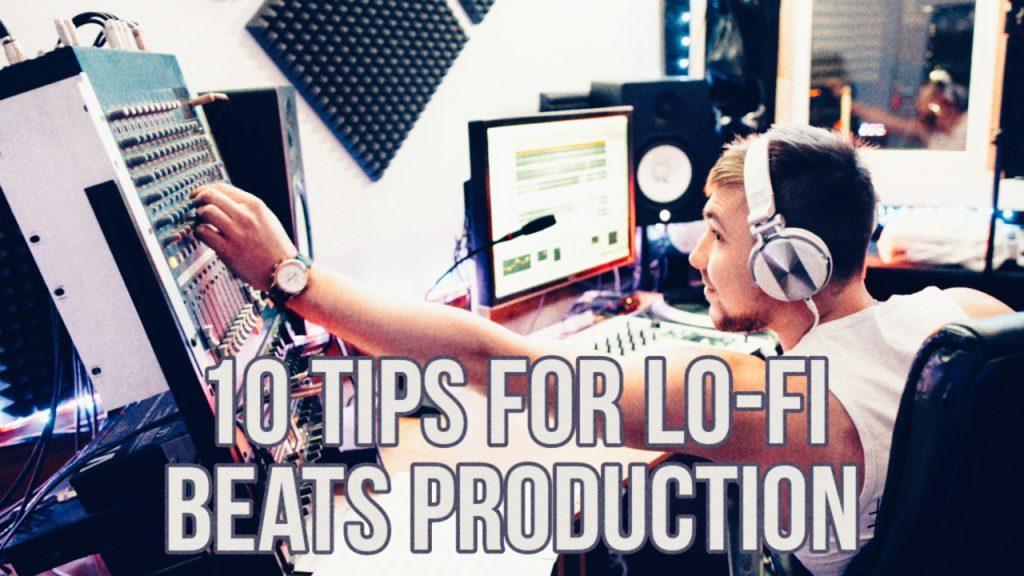
You don’t need expensive equipment or years of experience to create amazing lo-fi beats. In fact, you don’t even need any musical knowledge at all. All you need is an idea for a beat, a few free tools, and a little creativity. In this article I will highlight some tips how to get started and end up with a good mix.
Find a good sample that inspire, chop it for your lo-fi beats
To my point of view, a good lo-fi beat starts off with a good sample that inspires you. I mean if you have a melody in your mind and you can play any instruments. Sit down and sort it out. That is the most original for sure. On the other hand, many beat makers tend to get inspired by vinyl samples. I recommend on the other hand to use royalty free ones. Either purchased or free. You may try yourself out with well-know songs chopped up. May even upload to YouTube I guess, depending on the song and your local regulations. But at the end you may never release those legally, unless you pay royalty to the song owners. Why bother? Play clean!
I had a basic article back then on how to produce your first lo-fi beat. You can find some links over there. I had a more recent article as well on free music places and where to get samples.
Start your production with the drum kit
A drum kit is one of the easiest ways to start creating beats once you have a base melody or chopped sample. Play with the tempo, start out with kick-snare-kick-snare and then spice it up! Once you’ve recorded some drums, you’ll want to add other instruments like guitar, bass, piano, etc.
Look for the right bass
Samples set, drums… mkay! Though most likely you will need to re-align them once you are more closer to finish your lo-fi beats. Generally bass comes with drums so my third advise is to consider bass as the next step. It is not always necessary, plenty of lo-fi beats out there without bass. But if you are willing to work on a more upbeat song. Or lo-fi hip hop is your genre. It is worth playing with an 808 or fingered bass. I prefer the latter at it is smoother, so it creates a good base for the chords, yet not shifting the focus off from the melody. I tend to match bass rhythm with kicks but adding some more hits and melodies of course.
Set up chords
Next up: chords. A good base is given now with drums and bass. Yet, the body is missing. Something that gives a bit of “mass” to your warm lo-fi beats. Chords are kind of essential for any songs. Even if you are not into the basics of music theory, it is worth checking the majors and minors of the sample you chopped. Using Google you can find the scales pretty easily. The point is that here you can mess up things if you are not cautious. But if you use your ears and not rush, your lo-fi beats will be dope.
Look for the perfect arp, it gives spice to your lo-fi beats
What is arp? Short term for arpeggio. An Italian word for a “musical solution” when we break up a chord and play the notes one after another. Tempo may differ as well as the steps between the notes. Still it builds up a kind of continuous background melody. The point is that this melody must be in line with the chords not to make the song sound crap. Sorry, no better word for that.
On the other hand, good news: arps are not mandatory, like bass. The reason why I add here as a tip because in case your chords are not strong enough or you did not need any bass. I guess adding some arp only boosts your lo-fi beats.
Look for a perfect lead instrument
Yes, and leave yourself time finding it. Similarly to pop songs, where we all tend to remember the singers name, an instrumental beat is heavily defined by the lead instrument. To my point of view as lo-fi beats tend to be warm and we use vinyl effects (or physical recording procedure) to make it sound “low-fee” – best choices include mellow instruments with low attack at the beginning. Especially with played melodies in the middle range. That means electric piano (or jazz piano), or rhodes, maybe organ. Sweetcase if on of my particular fave I have been using since years – for free.
Jam Jam Jam, lo-fi beats need jam
Once all set, you should jam. As I explained above, lead instrument choice should not be rushed. I have to say the same for playing the lead melodies. Give them time. Use your ear. Play up different versions. At the end you are not obliged to play the whole song in once. You can record beats and use your DAW to make it a song at the end. If you are using DAWless solution like I do with PO-33 KO, that’s a bit more tricky. But personally, I give myself hours to jam on many of my lo-fi beats. Once I have found a lovely melody I start realigning the bass and the chords if needed. This part is the most entertaining part of music production, so I tend to spend here more time then on playing with bass and arps.
Lo-fi beat production and adding fx – automation is important
Depending on how you process your beats, you have either recorded the song by this stage or about to do so. I would suggest to consider the use of fx / effects. They make your song more mellow, adding some reverb boosts space and glitching the beats gives a true old vinyl vibe. Not to mention cracks. In short now time to focus on what you wish to hear at the end. This is not about mixing, when you deal with the volume of the different lines, it is more on what else you wish to give to the song – what you will need to mix properly later. In case of DAW, experiment a bit on automation if you are on that level already. Otherwise enjoy spicing your lo-fi beats.
Consider recording the progress – good video for social media
Side topic, but make photos, little videos. Record your process of beat making, share it with your friends. After all, you have created a beat. Most likely you also wish to share it with people. But the song itself is not enough. It needs to have a story. All your EPs and albums must be built up. You need to tease, you will need to share the stories behind the production. What made you compose that song.
Not easy questions I know and most likely many of you hates showing her/himself. Or at least this is my story ha-ha.
Mix and master your lo-fi beats
If you followed my tips above mixing will be quite smooth for you. With regards to mastering, I always state that I am not a sound engineer. I have learnt all my knowledge by reading and doing over and over again. A few days before I published an article on the most common mistakes, I hope they help.
These were my 10 tips for producing the perfect lo-fi beats, I hope you found them useful. See you around, drop me a note or comment if you have more tips to share!
Lo-fi beats are an alternative to traditional drum machines that produce sounds by using only a few drums at a time. They’re usually created on a computer, and then exported to a DAW for mixing.
Using too much noise
One mistake people often make with lo-fi beats is adding too much noise. This can cause the beat to lose its original character and become more generic. It’s also easy to accidentally add too much noise during production. That results in disturbing quality, while listening. And while the point of lo-fi music is to soothe mind and offer some chill moments, too much of noise may effect the opposite. Therefore, producers, be careful with noise!
Mixing too loud or over-distort your lo-fi beats
This is a common mistake. Many of the popular songs today are offering less dynamics (depending on producers of course) on the other hand ending up pretty loud. The trick is to have a clear aim. I mean if you are to get into Spotify Playlist, it is worth taking your time checking the beats there. Metering them how loud they are and align your mastering accordingly.
Over-distorting is pretty much about using compressors and distort VSTs too much. What does that mean? Usually you add these to certain lines to offer a bit of a body, to make that instruments more heavy. However too heavy might be odd in case of lo-fi beats.
Too much bass
Another trendy thing nowadays is boosting base. Literally all earphones you buy, let it be cable, TWS or LDAC, whatsoever – bass boost was and is a pretty trendy eye-candy on the package. But it might end up creating the willingness to boost it on the track as well. Don’t do that. While earphones have generally little body, the bass offered is usually lower than any other speakers. And as you are not to limit your music to earphones over. Let the users add their desired amount of base and focus on offering balanced level of highs and lows.
Not using references – list your fave lo-fi beats artists
Yes, as stated before: listen to the market. List your fave artist, follow them. It is not only elegant to know the big names in your genre. But it is also a competitive advantage to know the experimental and mainstream parts of lo-fi. Therefore you can chain your beats in the comments as well as know how to master your beats in the finishing phase. Use them while mastering your latest EP to meet the market expectations. But also make sure not to over-align your beats. Keeping what makes you different is crucial to my point of view. In my case e.g. I love using grainy photos as covers and even though now I would have other options, I still keep using them. Lo-fi beats get lo-fi photo covers at Latte Chill project.
Mixing on the same day as tracking or editing
Last, but not least. Do not try to finish your EP in a day. Give it time and space. Let me share with you how I do it, when I’m working on my latest beats.
I record my beats with PO-33 KO and/or Koala Sampler. I use the same mix pack including EQ, reverb and iZotope Vinyl. I align the mix of the track and then give it a rest. That means I export the beat and listen to it. I reedit what I want later (couple of days usually next to my work etc), then start mastering. I use Ozone Lite as a free but capable tool. There I add loudness and character with some space if needed. Finally, send the track to my mate as a second ear. As a result of his comments, I reedit the track and finalise it. And yepp – I do it with every single Latte Chill track. Usually there are 2-3 months between finishing the records of an album and mastering/uploading them to stream platforms.