Category: Wiki

  • Lofi Music and Visual Art

    Lofi music and visual art have been connected to each other ever since mankind gained the capacity to communicate creatively. And that did not happen yesterday. : )

    I mean covers are the perfect examples, right? What makes it different in case of lofi genre, this is what I try to uncover in this article.

    The Origins of the Lofi Music

    As always I like to start from the roots. Let me spare some sentences for the genre itself. The origin of lofi music can be traced back to 1980s hip-hop scene. The genre began with a wave of sample-based production techniques by mainly DJs and producers. They blended jazz elements and melodies with other genres such as soul or funk.

    As a result the listeners were treated with an eclectic yet homogenous sound back then. From there, producers began manipulating sounds on their own terms. They were able to create beats often monotonous on one side due to the samples kept repeating, on the other hand warm due to the nature of lofi vibe.

    Today, lofi music is an established genre that encapsulates the creative freedom of bedroom production culture.

    lofi art

    Relationship Between Lofi Music and Visual Art

    As mentioned above music releases are often closely tied with a creative expression. In case of lofi music and visual art, this connection is especially apparent: visuals can be crafted and manipulated to create unique experiences that perfectly resonate with soundscapes.

    Without going too deep into all the areas, I wish to mention some here I try to investigate for you later. One is definitely anime related. The Japanese visual art culture has been strongly effecting the genre since the very beginning thanks to Nujabes, who is one of the first lofi hip-hop artists along with J Dilla.

    Next to anime I can the Simpsons can be mentioned as an often used design element by bedroom producers, which fairly makes sense for me. I mean the balance of West and East. Of course that is my idea only on this matter.

    At the end we can state that the combination of colors, shapes, and textures encapsulate a mood and feeling that is part of the genre’s production concepts and aimed experience.

    Emerging Trends in Lofi Art

    As the lofi music and visual art scene continues to gain popularity steadily, new trends are emerging. Yes, it is not just the Simpsons and anime now.

    On top of them, unique art covers are emerging especially since 2010s thanks to Lofi Girl and other records. Some are also working a lot on making an unique cover art design separating themselves from other artists not just music-wise (thanks to the number of lofi sub-genres, the possibilities are endless), but visually as well.

    Nowadays I guess it is safe to state that there is a clear increase in experimentation and collaboration between both creators and collective outlets. I guess it also affects creativity when it comes to visuals.

    Latte Chill’s lofi music and visual art

    At the end, allow me to tell you some of my thoughts and concept on my releases. When I got into chill music (and then lofi), it was before 2010, therefore it was more of a new thing, less conceptual.

    As I am crap in visual areas, my intend was to leverage on something I have more knowledge and comfortable with.
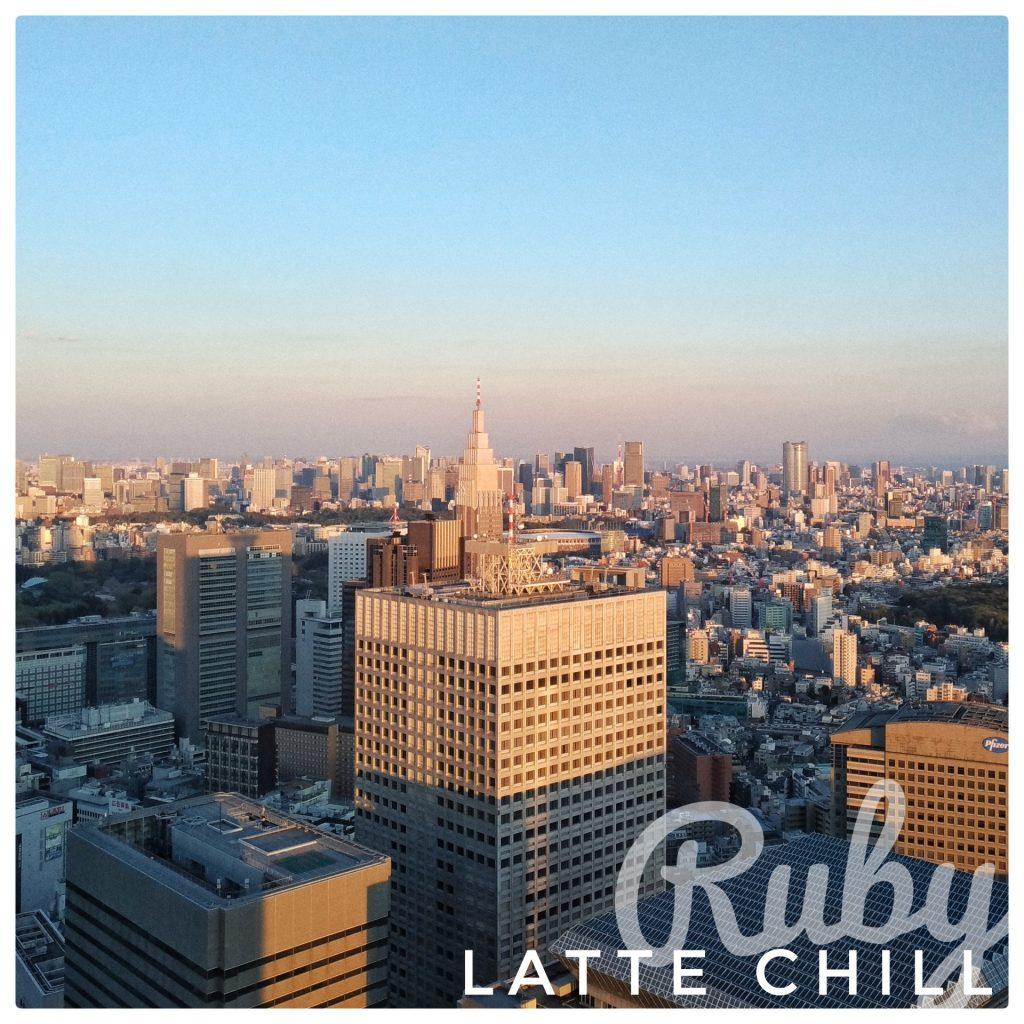
    Ruby cover

    And my choice was lofi photography. This is a bit away from the cartoon or anime type of visual art, yet offers a warm vibe. I emphasized on understanding the roots of lo-fi as a phenomenon. I mean low-fidelity really comes from the fact that it is not over sharpened, not ultra clear, which kind of goes against the current wave of smartphone. On the other hand I do have a smartphone and make photos around the world, so am I able to find a way of displaying my photos so that they qualify to offer the vibe I wish to express?
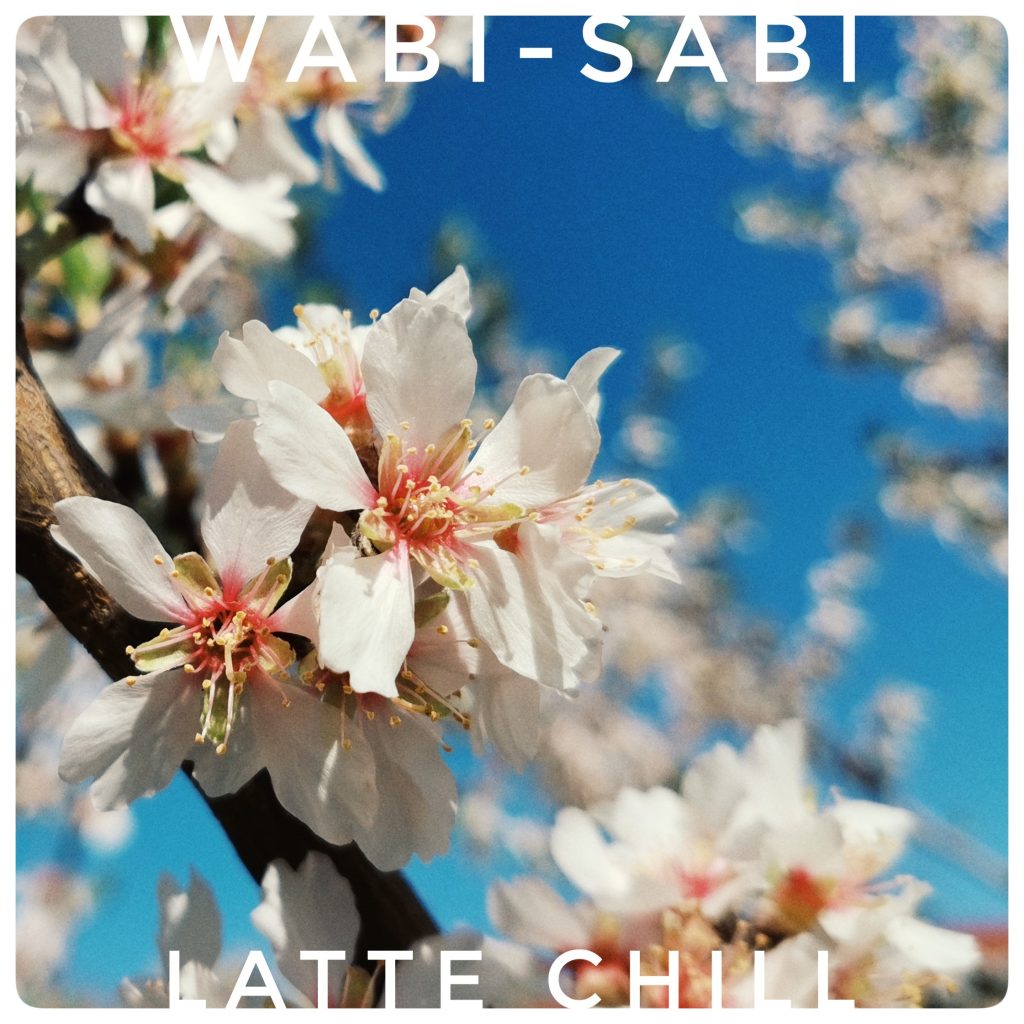
    wabi sabi lofi nature chill album - Latte Chill

    I ran several experiments to find my taste using many apps, some listed here. At the end I stick to it since years now and here are some pros.

    Finding your own taste

    Creating your own photos and cover arts are taking much more time than ordering one. Yet, it costs definitely less. Another pro I wish to highlight here is copyright. You own your own photos, unlike the case when a cover artist is helping you.

    On top of that you are expanding your creativity I guess. I learnt a lot on photo processing, photography and the use of my smartphone as well. Now actually I am learning on how to have the same vibe for videos as well.

    Lastly, well, you build your own vibe. It might not be art of the big wave. None mentioned above. But if you steadily build your audience, I guess you will earn your efforts.

    Stay Home lofi chill vibe album by Latte Chill

    Again, I am not willing to persuade you to learn drawing or digital arts. I respect them more than anyone else. I am not nicking anime or the Simpsons pics for playlists, I consider them thievery. I put my efforts on the other hand to create something unique that is Latte Chill.
  • What is Lofi House?

    Ever wondered what lofi house is? As expected it has a strong connection to lofi quality, what’s more to lofi music as well (what a surprise!). But then what makes it different?

    So what exactly lofi house is?

    According to this page, lofi house (or Lo-Fi House) is a less well-known genre of lofi that can be described as listening to music played at a nightclub from the outside. Which is fairly OK for a starting point.

    If you investigate this matter a bit further, you will find that lo-fi house is a subgenre of house music. Essentially it incorporates elements of lo-fi (low-fidelity) production as linked above. In action, it means noises such as tape hiss, crackles, and background noise can be part of the songs.

    lofi house

    The use of vintage and analog equipment also characterizes this subgenre. So cool DJs and producers with old drum machines, synthesizers, and samplers you need to think about. Of course, that description also stands for lofi hip-hop right? Anyways, the point is, that these instruments can create a warm and nostalgic sound.

    On the other hand lo-fi house often incorporates elements of funk, disco, and soul music. It makes this genre more upbeat and danceable than the general so-called lofi beats that are more a café vibe focus music. Still, the beats are usually simple and a bit repetitive, with a focus on the use of samples and grooves.

    Summing up

    In short, lofi house is a subgenre of house music that has its elements from lofi music. To my point of view it fairly incorporates elements of vintage and analog equipment, furthermore, funk, disco, and occasionally soul music. It offers a laid-back, groovy feel with simple and repetitive beats and the use of samples.

    Interested in how to produce your first beat? Check out this article!

  • A beginner’s guide to DAWless music production

    In this article, I will show you how to produce your very own dawless music. It means to produce beats without a digital audio workstation (DAW) such as Ableton, Pro Tools, or Reason. By following this comprehensive beginners’ guide below to dawless music production. Start creating your own tracks now!

    Are you ready? Let’s get started.

    As always, I will add some of my beats below so you can listen to them as focus music while reading. In this case, I will add an album I have fully produced DAWless.

    When I started working on this article, I gave myself some of the questions I had, when I decided to (occasionally leave) DAWs. They were questions like: How? What are the equipment I need? Is it going to be different? If so, how?

    Gather the Equipment You Need

    Before you can start producing dawless music, you’ll need to get the right equipment. However, this step is pretty uneasy – at least is was for me. I mean with all the great shops like Amazon and Thomann (etc.) you can choose from a wide range of hardware and instruments to create your tracks.

    On the other hand, most of you are likely to own a decent laptop, a midi controller as well. So why bother going DAWless?

    Well, because those beats will feel completely different. Not to mention that you can choose where to get inspired and compose them.

    My biggest advice would be: read, read, and read. Think about your genre, check the biggest artists (especially those, who perform live), check their videos, and see what they use. Read about those and make a shortlist.

    dawless music production

    Start DAWless music production in small

    Producing music offscreen is not just different and first uneasy, but can be pretty expensive. I can share with you 2 tools to consider if you are interested in DAWless music production but not willing to spend fortunes on it (at first).

    PO-33 KO – aka Pocket Operator 33 Knock-Out by Teenage Engineering. A simple and budget sampler you can grab under 100$, which is a good way to test your dedication. I mean if you master it, if you can produce some dope LPs with it, I guess you may consider further steps.

    The good part of it is that PO-33 KO is pretty cheap, the bad part is that it is pretty limited for a stand-alone live performance from my point of view.

    Another gadget is PO-128 by the same company. While the previous one is a sampler, this one is a synthesizer. Before looking for a Nord of Korg, I guess it is worth checking how to produce music in small.

    Familiarize Yourself with Music Theory Basics

    Have your list of gadgets? Cool. In order to create your own tracks without the use of a DAW, you’ll also need to have a fundamental understanding of music theory.

    Bad news, I will not go in-depth here and now. Maybe later as this topic could take up 3-4 major articles. On the other hand depending on taste you can find articles, books, and even videos on this matter. The point is to take some time and familiarize yourself with basic elements such as note duration and values; harmonic and melodic intervals. Of course, don’t forget scales and chords either.

    As an example, check the variety of scales of a simple under 100$ PO-128:

    Learn How to Sequence Your Tracks

    Once you have your instrument and come up with some good melodies or riffs, it is high time to learn about sequences. In short (and in my own words) sequencing is like repeating a block (let it be one instrument only, or more) in order to create a bases for you in the song. You may start singing, playing the lead melody, etc. once you have a great set of sequences ready.

    Here are some examples of patterns/sequences to give you a flavor.

    Practice Performing and Mixing With the Analog Setup

    You read hell much now. Owning the perfect instrument. Hopefully, you have a solid basis of music theory – at least enough to play melodies along with the right chords. You are now most likely to know at least kick and snares (maybe open hi-hats?).

    What comes now is practicing. Even if you are not going to perform. In order to enjoy producing music offscreen, you are to own your instrument as much as possible.

    Practicing is a key component of any music production workflow, and it’s especially important when you’re working without a digital audio workstation. I mean on the laptop you can change this pretty easily even after the record – when you record a DAWless song, you have less space for mistakes.