Category: Wiki

  • DAWless music production – a tactile experience

    Have you ever thought about what makes DAWless music production different? For me “tactile” was one of the first ones coming to my mind. But there are some more. Let’s explore them.

    DAWless music production differences

    I have already posted a little guide on DAWless music production and given some more tips later, let’s not spend more time on that topic.

    The reason why I post about this topic is about touching, turning on and off, pushing, swiping, swinging, and all the other things one can easily do while being DAWless.

    It has been years now since I continuously used PO-33 KO, a simple and budget DAWless instrument. Technically a little sampler that offers me a kind of on-the-go music production experience.

    And I enjoy taking it with me, jamming then recording it. Imperfect but on-the-spot sketches, which is like drawing with music to me. I often record some noises around and implement them in the beat.

    Difference to MIDI-based instruments – though both tactile

    Putting it simply: with DAWless you can leave for the moment. MIDI instruments (I use many including both pads and keys) are also tactile but in a sterile environment. As stated above, a DAWless can be easily and effortlessly taken outside. And it subsequently boosts one’s creativity as well.

    Despite being tactile, MIDI instruments are built for in-house use only. Let alone you are to have a laptop as well round the clock to enjoy the full potential.

    Mobile applications – not so tactile

    On the other, if only mobility matters, you may choose to use your phone only, right? It is. I use Koala Sampler a lot for this purpose. My smartphone is with me around the clock, so why not fully benefit from it?

    Even more, from time to time I think about buying a tablet again (I was a happy owner of the old Nexus 7 2013) to produce more beats.

    What makes a huge difference here is the lack of any button or slider or anything to boost the production process.

    Limitations of DAWlessness

    The downside of this music production is simply the mass amount of limitations. Most samplers have their own workflow that is often least intuitive to DAWs. Which requires much more time to own and master.

    Furthermore, you need to prepare your sampler for your journey, to have enough (and good) samples and instruments recorded in order to jam.

    Many can save a limited amount of patterns and flows, so you need tools as well (minimum your phone and some cables) to record them. I mean, some can store the recorded sessions easily, but then you are going up with the price pretty fast.

    And lastly price. We all die of owning a dope MPC, or SP404, but take your time thinking of your dedication before purchasing one. On the other hand, cheaper ones have more limitations in every aspect.

    All-in-all they are fun to use and a beautiful way for expressing your musical ideas for your audience. An imperfect but cool way. As stated above, to me producing DAWless is like sketching. I enjoy the touch of the gadget, the tactile-ness so to speak. I embrace the limitations of it and ultimately: live for that moment.

    dawless music production tactile
  • Latte Chill on YouTube: Relaxing Lofi and Chill Music for All Occasions

    Are you in need of some relaxing background music? Here I come with my chill beats channel: Latte Chill on YouTube. Whether you’re studying for finals at the university or winding down after a long and stressful day, Latte Chill beats has the perfect lofi and chill flavour to suit your needs.

    Click on the link above and explore my releases. I feature different genres, but over a thousand videos are shared now, so take your time.

    About Latte Chill on YouTube

    As one of the most updated channels for lofi and chill music on YouTube, Latte Chill beats offers a wide variety of playlists. I intend to cater to different moods and occasions.

    If you’re looking to get some work done, you have found your place! Check out their study beats playlist, featuring calming tracks that will help you focus and concentrate. For this reason, the majority of the beats on the channel are fully instrumental. Also keep in mind, that under the Playlists tab, there are tons of mood-based setlists for you.

    I also offer a playlist called Mixes, where I feature long plays only.

    Latte Chill on YouTube: Relaxing Lofi and Chill Music

    For those who need a little help unwinding before bed, their bedtime tunes playlist is filled with soothing melodies that will help you drift off to sleep. And if you’re simply in the mood for some laid-back tunes, their general lofi and chill playlists such as Nature Chill or Urban Chill.

    With new tracks added regularly, Latte Chill’s YouTube channel is always fresh and up-to-date. Whether you prefer the classic sounds of lofi hip-hop or the more experimental vibes of modern chill music, there’s something for everyone on this channel.

    So, why choose Latte Chill for your listening pleasure? For starters, the production quality is top-notch and super lofi. Each track is carefully curated and mixed to create the perfect atmosphere.

    Finally, with Latte Chill’s music available on Spotify and other streaming platforms, you can take their soothing sounds with you wherever you go. So why wait? Head on over to Latte Chill’s YouTube channel today and start enjoying the best in relaxing lofi and chill music!

  • What is Jazzhop?

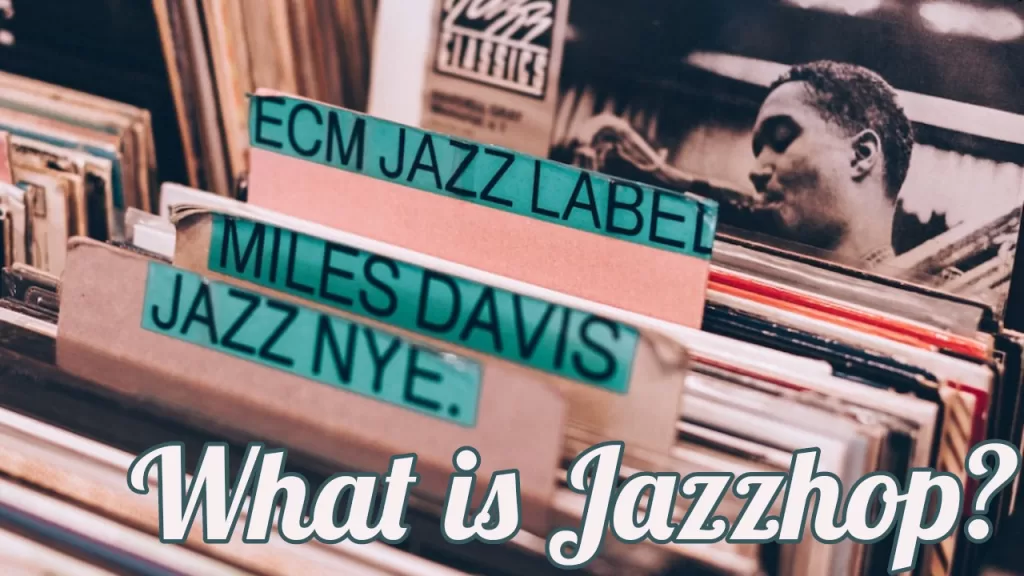
    Jazzhop is a genre of electronic music that combines elements of jazz and hip hop (surprisingly?). Its tracks often feature jazzy instrumentation, hip hop beats, and occasionally laid-back vocals.

    Now, you literally know everything. Enjoy jazzy beats to the fullest. Still, let me show you some examples and dive a bit deeper.

    Check Café Tokyo for more

    History of Jazzhop

    The history of this genre is surprisingly short. It can be traced back to the early 1990s. In the early days, jazz-hop was often referred to as “acid jazz” or “downtempo.” We started referring it as jazzhop in the ’00s I believe. Some of the earliest pioneers include DJ Jazzy Jeff & the Fresh Prince, Us3, and Thievery Corporation. Later many others such as Nujabes or The Roots and Miles Davis were considered to be one. Still, I believe it is a sub-genre and most artists have some songs that can be referred to as jazz-hop songs, while others are less like it.

    Main characteristics

    Jazzhop is typically characterized by its jazzy instrumentation and hip hop beats. The tracks often feature smooth saxophones, funky basslines, and occasionally soulful vocals.

    Freshly taken from latest LP, Pearl.

    There are many different subgenres of jazzhop, including:

    • Acid jazz
    • Downtempo
    • Neo-soul
    • Trip hop
    • Chillwave
    https://www.youtube.com/watch?v=JXQCf9K4rz4&list=OLAK5uy_nDXocUh_WjyKPMV2PbeOIq5Jk3E2FtIrA&index=5
    A little lofi beat with vocals released as part of Stay Home LP in 2020.

    Conclusion

    Jazzhop is a diverse and evolving genre of electronic music. It is often used as background music for relaxation, studying, or working. With regard to trending, I believe it is likely to continue to grow in popularity in the years to come. Especially after these years and the current changes in work trends. I mean more and more people to work from home. WOrking in silence on the other hand is ineffective. I see an increasing trend and need for instrumental beats. Beats that boost home office and concentration in general. Jazzhop offers a perfect opportunity for this. Hopefully, more and more artists will rediscover this genre in the future and produce more dope beats. Let’s look forward to it.

    What is jazzhop