Tag: chill beats

  • A beginner’s guide to DAWless music production

    In this article, I will show you how to produce your very own dawless music. It means to produce beats without a digital audio workstation (DAW) such as Ableton, Pro Tools, or Reason. By following this comprehensive beginners’ guide below to dawless music production. Start creating your own tracks now!

    Are you ready? Let’s get started.

    As always, I will add some of my beats below so you can listen to them as focus music while reading. In this case, I will add an album I have fully produced DAWless.

    When I started working on this article, I gave myself some of the questions I had, when I decided to (occasionally leave) DAWs. They were questions like: How? What are the equipment I need? Is it going to be different? If so, how?

    Gather the Equipment You Need

    Before you can start producing dawless music, you’ll need to get the right equipment. However, this step is pretty uneasy – at least is was for me. I mean with all the great shops like Amazon and Thomann (etc.) you can choose from a wide range of hardware and instruments to create your tracks.

    On the other hand, most of you are likely to own a decent laptop, a midi controller as well. So why bother going DAWless?

    Well, because those beats will feel completely different. Not to mention that you can choose where to get inspired and compose them.

    My biggest advice would be: read, read, and read. Think about your genre, check the biggest artists (especially those, who perform live), check their videos, and see what they use. Read about those and make a shortlist.

    dawless music production

    Start DAWless music production in small

    Producing music offscreen is not just different and first uneasy, but can be pretty expensive. I can share with you 2 tools to consider if you are interested in DAWless music production but not willing to spend fortunes on it (at first).

    PO-33 KO – aka Pocket Operator 33 Knock-Out by Teenage Engineering. A simple and budget sampler you can grab under 100$, which is a good way to test your dedication. I mean if you master it, if you can produce some dope LPs with it, I guess you may consider further steps.

    The good part of it is that PO-33 KO is pretty cheap, the bad part is that it is pretty limited for a stand-alone live performance from my point of view.

    Another gadget is PO-128 by the same company. While the previous one is a sampler, this one is a synthesizer. Before looking for a Nord of Korg, I guess it is worth checking how to produce music in small.

    Familiarize Yourself with Music Theory Basics

    Have your list of gadgets? Cool. In order to create your own tracks without the use of a DAW, you’ll also need to have a fundamental understanding of music theory.

    Bad news, I will not go in-depth here and now. Maybe later as this topic could take up 3-4 major articles. On the other hand depending on taste you can find articles, books, and even videos on this matter. The point is to take some time and familiarize yourself with basic elements such as note duration and values; harmonic and melodic intervals. Of course, don’t forget scales and chords either.

    As an example, check the variety of scales of a simple under 100$ PO-128:

    Learn How to Sequence Your Tracks

    Once you have your instrument and come up with some good melodies or riffs, it is high time to learn about sequences. In short (and in my own words) sequencing is like repeating a block (let it be one instrument only, or more) in order to create a bases for you in the song. You may start singing, playing the lead melody, etc. once you have a great set of sequences ready.

    Here are some examples of patterns/sequences to give you a flavor.

    Practice Performing and Mixing With the Analog Setup

    You read hell much now. Owning the perfect instrument. Hopefully, you have a solid basis of music theory – at least enough to play melodies along with the right chords. You are now most likely to know at least kick and snares (maybe open hi-hats?).

    What comes now is practicing. Even if you are not going to perform. In order to enjoy producing music offscreen, you are to own your instrument as much as possible.

    Practicing is a key component of any music production workflow, and it’s especially important when you’re working without a digital audio workstation. I mean on the laptop you can change this pretty easily even after the record – when you record a DAWless song, you have less space for mistakes.

  • The History of Lofi: From Radio to Internet Sensation

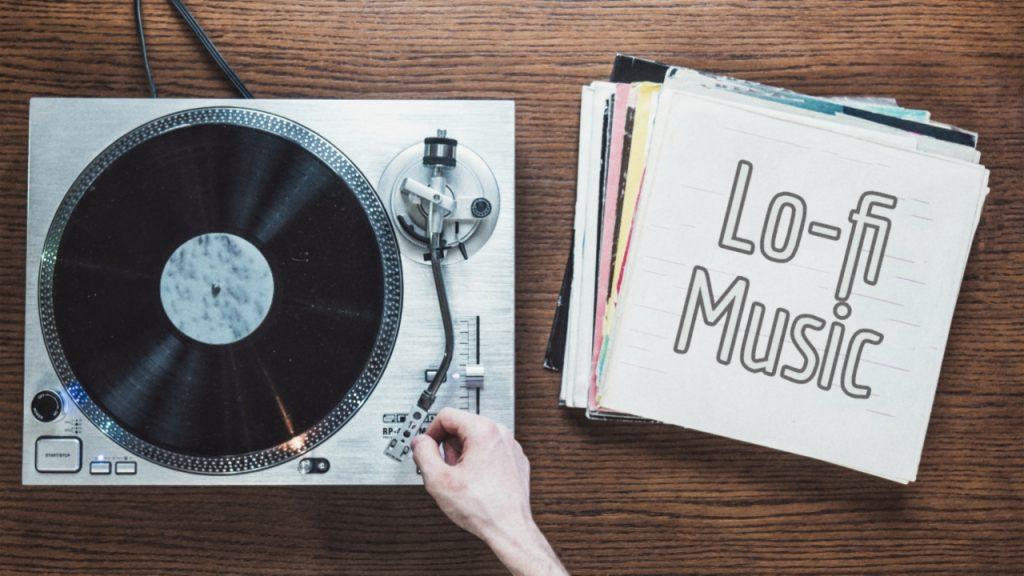
    Discover how lofi beats evolved from a very little niche genre to an internet sensation we all know. This inspiring (yet short) journey will take you through the evolution of lofi: from its radio beginnings to its worldwide acclaim today.

    lofi stories

    Before we start, tune it with the lofi LP below and enjoy warm vibe minimal instrumental beats.

    From its humble beginnings on the old radio we all know in the living room or kitchen to becoming an internet sensation, lofi music has undergone a quite remarkable journey. Let’s explore how the niche genre has evolved over the past decades, and learn what qualities make it so beloved by listeners around the world.

    Understanding the Genre of Lofi Music

    Lofi music often contains muted sounds and minimalistic (instrumental) production, which gives it a distinctive, blurry quality of nostalgia. This vibe comes from many factors including the soft crackling, the fading treble, lack of bass as well as the incompleteness or slight unquantized beats.

    Compared to typical electronic genre beats, lofi offers a more mellow, downtempo and nostalgic flavor. This can be felt through the simplicity of the rhythms and melodies as well as in its lo-fi sound quality.

    Evolution of Lofi From Radio to Internet Platforms

    At the very beginning before the era of internet and stream services, I daresay literally all music was a bit lofi. Technically speaking the biggest stream service was radio and given its possibilities, the sound quality was far behind of CDs.

    Later TV and high quality CDs become more trendy. They decrowned vinyl and cassette – both offering true lofi vibe before) and thus lofi became less interesting.

    However that era has come to an end as well. Since the growth of the internet, lofi music has become increasingly popular again. This rise allowed the genre to reach listeners from all around the world. Streaming services such as SoundCloud and YouTube (later joined by Spotify and Apple Music) have given independent artists a platform. And this with platform a possibility to share their work on a global scale. As expected (or not?) it facilitated the spread of lofi. It made possible for a new generation of music makers to find an audience much easier than before.

    This change has opened up opportunities for unexplored ways of combining different instruments and sounds. And at the end creating a unique voice in an otherwise oversaturated industry. And at the end created the ultimate possibility for Latte Chill project to born. : )

    Uncovering How Lofi Gained Traction Across Social Platforms

    As lofi music became more accessible, it gained traction across social platforms. Guess which platforms?

    Instagram, in particular, was a key platform responsible for its growth, with hashtags (such as #lofi #lofiedits etc.) being used to spread the sound across different networks. Crazy isn’t it? I mean the least music related social media channel to be mentioned first. And still, I have the most followers on that channel as well. By the way, a follow of my Instagram would be… soothing. #jk!

    Returning to our topic: influencers began to discover this new genre and share it with their own followers, sparking conversations that led to its widespread acceptance. Lofi, compare to other genres turned out to be ultra useful as it does not divert attention from the influencer, nor about the speech he/she offers. It does not create tension, only offers a kind of vibe (well-chosen by the influencer). The result? Better vibe, more professional content.

    Additionally, curated playlists on streaming services (Spotify, Amazon Music) helped to further drive the conversation about lofi music and stabilise its presence online.

    The genre Today and in 2023

    These days, lo-fi music is everywhere and its impact can be felt far and wide. I doubt anyone (even Lo-fi Girl) expected this like a decade before or at the early ’00s.

    Underground events dedicated to lofi music have been popping up all over the world, inspiring fans of the genre from all walks of life.

    On top of that, indie rockers, pop stars and hip-hop heavyweights are adapting the sound in various ways to fit their own sensibilities. Lofi version of hit songs are trendy and even heavy beats are often remixed as lounge music with warm vibe and vinyl cracks.

    Lofi is no longer a niche genre ─ we can all say that: it’s a cultural phenomenon already.

  • Most listened albums in 2022 on YouTube

    lofi-topics-3

    According to YouTube Analytics these were my most listened albums in 2022!

    10) Singles #9 – a compilation album released in 2022

    9) Cherryland – my Dark Cherry cover album with 12 songs.

    8) Rock 128 – a chiptune LP of an imaginary Mega Man game.

    7) Sapphire – an album from the end of 2021 with Pokémon inspired chill beats.

    6) Summer Chill with Ermine-chan – a rather minimalist T21CB cover EP.

    5) Travellers – my 20th album and a new pack of lofi beats.

    4) Up in the Air – collab release with vocals and upbeat melodies.

    3) Wabi-Sabi Extended edition – released in February this year.

    2) Ruby – the second part of Pokémon inspired beats after Sapphire.

    Lastly, number 1, the top of the most listened albums in 2022. What do you think? Which album managed to top all these releases? I was quite surprised myself but well, it is you listeners to tell me which releases are working. Thank you for all the listens, I will be making sure to work on similar beats like #1 in 2023.

    1) Wabi-Sabi

    The first full album composed on PO-33 KO in 2021 is still taking the spotlight. Thank you for all the listens.