Tag: chill beats

  • A Complete Guide to Dawless Music Production with Smartphones

    Dawless music production – so creating music doesn’t have to require expensive equipment nowadays. With the right smartphone and some applications, anyone can make extraordinary music without the hassle of setting up complex gear.

    In this guide, I will share with you some tips and tricks for dawless music production on mobile devices.

    Ready? Hit play and let’s get started!

    Identify what type of music you want to produce

    Before you start creating music on your smartphone, you should identify what type of music you want to produce. I mean besides hit songs and the best to get money. Let’s put dreams aside and remain realistic. But why am I asking you to consider this as step one?

    It simply helps you determine the best way to lay out your tracks, sound sources, and effects. An electro beat is different from chiptune in all aspects and a lofi again another peace of cake.

    Honestly, if you do not have a clear view, spend some time on YouTube and find some inspirational artists. If you are experienced enough, feel free to experiment – though I guess you will then only run through this article.
    DAWless music production on smartphone

    Understand the basic concepts of music production

    This point is also for starters and beginners. Music production indicates the practice of combining music, sounds, and effects to make a complete song at the end.

    It includes selecting, sculpting or manipulating sound sources such as samples or synthetic instruments. But it may also mean manipulating and organizing audio elements by adjusting levels and adding effects such as reverb and delay.

    Of course, you will not need all in the first round – the contrary: as per the first point. Find your genre first. See what is special in it.

    As an example, I am a fan of lofi. It means I add less quantize to humanize it. I add swing and consider filtering low-end to create less bass which imitates a vintage vibe.

    See? It is crucial to set things right before you start. The same goes for samples. Lofi uses samples, and electric music well, less, depending on the sub-genre you are into.

    Select the right app for dawless music production

    You are about to head into music production now right? Before getting started, however, you’ll also have to spend a moment thinking. Thinking and reading to find the most suitable app for you.

    I will be honest, I am not associated, nor paid by any companies while writing this article, however, I have a strong pro toward Koala Sampler.

    As linked above, my choice became that app. Before going deeper into this topic, I have tested FL Studio (mobile version), BandLab, and a few others. While all seem to do the job fairly well, somehow this startup grabbed my attention. First, process-wise the developer aimed to imitate a workflow that reminds me of SP404. As a lofi artist, it is like the holy Bible for a reasonable price. On the other hand, using it for a year now, I see continuous updates in functionality, which convinces me not to change.

    Of course, many popular DAWs such as Pro Tools, Cubase, FL Studio, and Ableton offer mobile applications that allow you to record and mix without needing expensive equipment. Some are only available for iOS though.

    Create and record your track with a smartphone

    At last, let’s get into actual song production.

    Most DAW mobile apps offer an array of virtual instruments to help you get started. Honestly, depending on your genre, use them for the first songs. Get comfy, before aiming hard. Different story, but when I bought my PO-33 KO, before heading into producing tons of albums such as Wabi-Sabi, I created a short EP using stock notes only.

    This way I allowed myself if not mastering, but at least understanding the differences between a dawless (smartphone daw) music production and a regular use of Ableton Live with proper mouse, precision, keyboard, etc.

    The first requires quite a bit of patience and time. Understanding the limitations is also crucial. Dawless music production on a smartphone is somewhat similar to smartphone photography. It may never reach the level of DSLR due to natural limitations, yet has its own essence and style. Furthermore, you will need less money to kick it live and in the end, you do not need to bring hefty pack with yourself to produce songs. Koala Sampler is ideal for sketching a beat on the bus. Image the same thing with your 88-key Novation or Korg synth along with a notebook and all the cables. Even if you have a cute granny next to you on the bus, helping you to hold some of the equipment, still sounds pretty lame right?

    Later of course you can also record vocals or acoustic instruments with a microphone for a more organic and unique sound. Be sure to always use (quality but at least soundproof/noise cancel) headphones when recording to ensure a crisp and clear sound.

    Lastly, do not forget to save your project after each step (but at least regularly) during the production process. Sh!t always happen, make sure that you never lose your work!

    Experimenting with effects

    Once you have a basic sketch of a song, you can start adding more creative effects by manipulating your tracks with plugins. For this, each app has its own effect course, therefore going too specific would be lame.

    Personally, I do use Filter, Stutter (imitating glitches of a vinyl), some Compression, and occasionally Reverb as well. On top of that Tempo Delay and Vibroflange are being used to spice some samples.

    Mastering

    Finally, nothing against any smartphone application, but it is worth exporting the track and checking all the meters in a DAW on a PC. Personally, I can produce better beats with every song I create with Koala Sampler. Still, I like to call them “sketches” as it always feels to me like drawing while being outside in the city. I add colors later at home when I have space and all the tools. The same with the audio sketches. I love them when I finish them, but rather consider them as demos and add coloring later.
  • Pokémon Day and chill music

    Let’s celebrate Pokémon Day today on the 27th February. On this occasion, allow me to sum up my journey with Pokémon and reveal its connection to Latte Chill project and in general chill music.

    What is Pokémon Day?

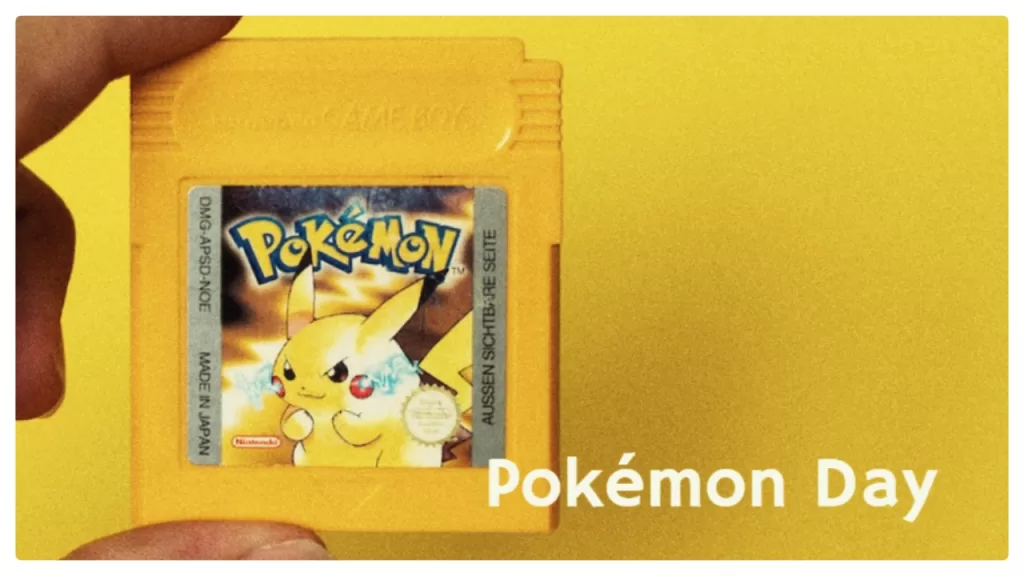
    This day is the big day. In 1996, a few dreamers set a game off even Nintendo was not much supporting (according to many resources). Yet, it was released on Game Boy handheld consoles.

    The game was about catching and collecting 151 monsters in balls and fight we them to become the best. And did they become?

    Now, almost everyone on this planet knows about Pokémon. It grew into a phenomenon that conquered millions’ hearts.

    In short today is the day when this game started its journey. And today is Pokémon Day, when the creators reveal the plans for this year. Keep following Pokémon channels on YouTube or simply read news late afternoon.

    pokémon day

    Pokémon and a kid fan

    My journey with Pokémon started way before becoming a musician. I think it was around 1999 (maybe later?). But I am sure that it was a hot summer day in Faro (South-Portugal). We travelled there with my parents and my brother. He chose Mortal Kombat III. as a game in a shop and well. It was a small village with less choice. So I decided to go with a weird blue turtle with cannons on back. No idea what is game was all about…

    And I started a journey. I had no idea what I was doing, but I was speaking English fairly good and dead interested in this game. Had many obstacles first but getting more and more clear. Soon I acquired Yellow edition as well (my brother got Red in the same time) and since then we played every single game until the Switch change. My brothers are still playing but for me, I am struggling to find the time. On the other hand I became obsessed with Pokémon Go, we play almost every day with my wife.

    Pokémon Day and chill music

    At the end you may ask, how is it connected to Latte Chill project and why am I writing here about it?

    The short answer is: it is an inspirator for me. I started this (new) journey with Soul Silver in 2018 (check the songs above in the first YouTube playlist embed). I sampled Game Boy and Game Boy Advance notes and used arpeggiators to create a chiptune vibe refers to the old games. Of course, I replayed the game but without sound and after so many years I intended to compose songs that matches each town. Did I manage? I wonder – give them a spin.

    I liked the project so much that I continued with Leaf Green (second YT embed) and Moon albums in 2019.

    2020 has been a more dark and sad year to me. Maybe no wonder Orange (which refers to the added game of Leaf Green, the Sevii islands, mixed with the anime season 2); so no wonder this album became more dark then expected I guess.

    On the bright side, I even performed some of the beats on my balcony back then in 2020.

    2021 – an active year

    I did not feel like wanting to continue in 2020. I give it a break and focused on other Latte Chill projects. In 2021 however many things changed: first, I bought a PO-33 KO, which became a gamechanger for music production.

    Second, I bought an app called Koala Sampler, that a bit later became my second game changer for music production. I even questioned myself those days if my room is the right place to produce music.

    I mean Pokémon games are all around portability: all games were published on handheld consoles so people can share the fun. No wonder Pokémon Go goes all the way because we can be out and easily have fun.

    PO-33 KO and Koala Sampler enabled the same for me as a musician. So, I played with Pokémon Ultra Moon those days and decided the following: let me remake this game with new songs and the old ones sampled with my gadgets: this is how Ultra Moon and Ultra Sun were born.

    I’m not saying these lofi beats are the best pokémon chill songs ever. Not at all, pretty experimental, but still, a new chapter for me.

    Finally, I closed 2021 with Sapphire LP. Sapphire is again more dark than the Ultras, but I guess no wonder. I mean that game is in Alola, full of fun and sun. Whereas Sapphire is a great one, but goes up in the mountains to the rock bottom of water caves.

    2022 came with one LP only: Ruby. It is the second half of Sapphire, almost like ending a great project.

    What’s next?

    Two things are sure.

    First, every year we will have fun on Pokémon Day. Let’s enjoy it all across the World by playing this game with our friends and family members.

    Second, that I will continue making more music inspired by the games. Keep in mind, I replay the game before working on a song. So it takes time for me, but I do my best.

    If you are interested, follow this tag to see the up-to-date songs. Also don’t forget, I offer many songs free, so check the links above and follow me on my stream platforms to get more Latte Chill beats.

  • The Simpsons and lofi genre

    As I mentioned a couple of times before, some lofi music creators tend to use samples from the Simpsons episodes and scenes in their tracks. But why is that? Is it even legal?

    the Simpsons and lofi genre

    Answering the first part: even though I am no lawyer, in majority of the cases it is breach of copyright. I have covered some areas such as music and visual art already. I believe using an image of a famous cartoon series is the same as using copyright materials. If it is without approval, the channel provider (such as YouTube) may take down your video any time without noting you. But what about the phenomenon? Why people use images? This is what I was interested in, while surfing on YouTube, listening to dope beats.

    The Simpsons phenomenon and lofi beats

    I believe on one side using these images and snippets adds a sense of nostalgia and familiarity to the tracks. Who didn’t watch the Simpsons in the ’90s? Probably those people will not read this article as well. Using these images and videos adds kind of a playful and light-hearted tone to a lofi beat, as the Simpsons is a well-known and loved show. And at the end adding nostalgia and vibe is the main element of lofi music.

    Another reason why some lofi music creators use samples from The Simpsons in their tracks is likely due to the cultural significance and popularity of the show.

    I mean The Simpsons has been on the air for over 30+ years and has amassed a large fanbase. Kids and generations grew up watching it all across the world. It is easily one of the most recognizable and beloved American TV series.

    The familiarity and nostalgia associated with the show makes it an attractive sample source for lofi music and beat makers who are looking to add a sense of nostalgia and familiarity to their tracks.

    The fun factor and happy mood

    Additionally, The Simpsons is known for its witty and clever humor, and its use of satire. Why does it matter? This happy mood can be fitting with the laid-back and chilled out atmosphere that lofi music often creates. At the end offers a kind of funny and happy vibe which is a tonality (literally as most lofi songs are instrumental) beat makers seek.

    The use of samples from the show can add a playful and light-hearted tone to the music, which can be appealing to listeners who are looking for something to study or relax to. And at the end we can all say, it works. You can find The Simpsons all over the stream channels, let it be a YouTube video or Spotify playlists.

    In summary, it is likely that the popularity and cultural significance of The Simpsons that started the phenomenon. On the other hand its comedic nature also part of the reasons why many lofi music creators use samples from the show in their tracks.

    Still assuming it is not my way respecting the copyright owners, but this is only my own opinion.